




1. Excellent safety performance and dynamic stability control
Ultimate safety assurance on slopes
Achieve seamless switching for uphill sections with "stop-and-go" capability, monitoring slope changes in real-time through an intelligent sensing system, with braking response time<0.1seconds, ensuring safety on various slopes (recommended ≤15°Safe slope) and slippery surfaces (the friction coefficient decreases on rainy days and icy roads30%.Under working conditions) can reliably lock, completely eliminating the risk of rolling back, with safety improved by200%.
Smooth start anti-slip technology
Innovative 'zero roll start' mechanism, with a delayed release of the brake when starting.0.3seconds, in conjunction with coordinated control of the drive wheel torque, ensuring a stable start when elderly individuals or caregivers push, avoiding falls caused by sudden movements or rolling back, especially suitable for users with slow mobility or weak strength in care institutions.
II. Breakthrough independent mobility empowerment.
Fully autonomous operation in all scenarios without assistance
As a world-first "bidirectional automatic braking system," users can complete complex actions such as starting and stopping on slopes and steering without relying on others for assistance. The system features a built-in multimodal interaction mode (manual trigger/Smart sensing), supports one-handed operation, increasing the independence of elderly people in mobility.65%, significantly reducing dependence on caregivers.
All-weather, all-terrain adaptability
Utilizes waterproof design and low-temperature resistant materials (-20℃to60℃Stable operation under various conditions ensures braking performance is unaffected by adverse weather such as rain, snow, and mud.
3. Innovative Technology and Multifunctional Integration Advantages
Bidirectional intelligent braking and stair assistance functions.
Disrupting the traditional unidirectional braking logic, it can automatically switch braking modes between forward (moving forward) and reverse (moving backward), in conjunction with the optional 'stair assistance module', achieving mechanical engagement between the braking wheel and stair steps.30°Slow and safe climbing of stairs within 80 (requires special track accessories), filling the global gap in wheelchair non-powered stair climbing technology.
Generalized Quick Installation Adaptation Design
Using a modular quick-release structure, compatible with products on the market.98%manual/Electric wheelchair model (pipe diameter22-25mmUniversal interface), installation does not require modification of the wheelchair's main structure, single person5.Assembly can be completed in minutes. The weight is only1.2kg, compared to traditional braking systems, weight reduction40%, without affecting the folding and storage of the wheelchair.
4. Social Value and Innovative Application in Scenarios
Care institution efficiency improvement solutions
In scenarios such as nursing homes and rehabilitation centers, the average number of patients cared for per caregiver can increase.1.5times, reducing labor costs.40%. The system is equipped with an intelligent safety monitoring module that can upload braking status data to the care management platform in real time, achieving automatic alarms for abnormal situations (such as brake failure warnings).
Ergonomic and human-centered design
The braking handle conforms to ergonomic curves, providing a comfortable and non-slip grip; the required operating force is only.2N(Traditional brakes require5-8N), suitable for users with arthritis or hand function impairments. The system defaults to "slow descent mode," automatically adjusting speed downhill to3km/hwithin, avoiding panic caused by excessive speed.
Summary: Redefining wheelchair braking technology standards
This brake features a "safety redundancy design+Empowerment of Independent Action+The three core breakthroughs of 'scenario innovation' not only represent the world's first benchmark product to achieve bidirectional automatic braking but also build a new ecosystem for wheelchair travel that transitions from passive safety to active empowerment. Its technological advancement is reflected in the deep integration of mechanical braking, intelligent sensing, and materials science, which can be expanded in the future to electric wheelchairs, walkers, and other rehabilitation devices, providing more humane care for an aging society.mobility Solutions.

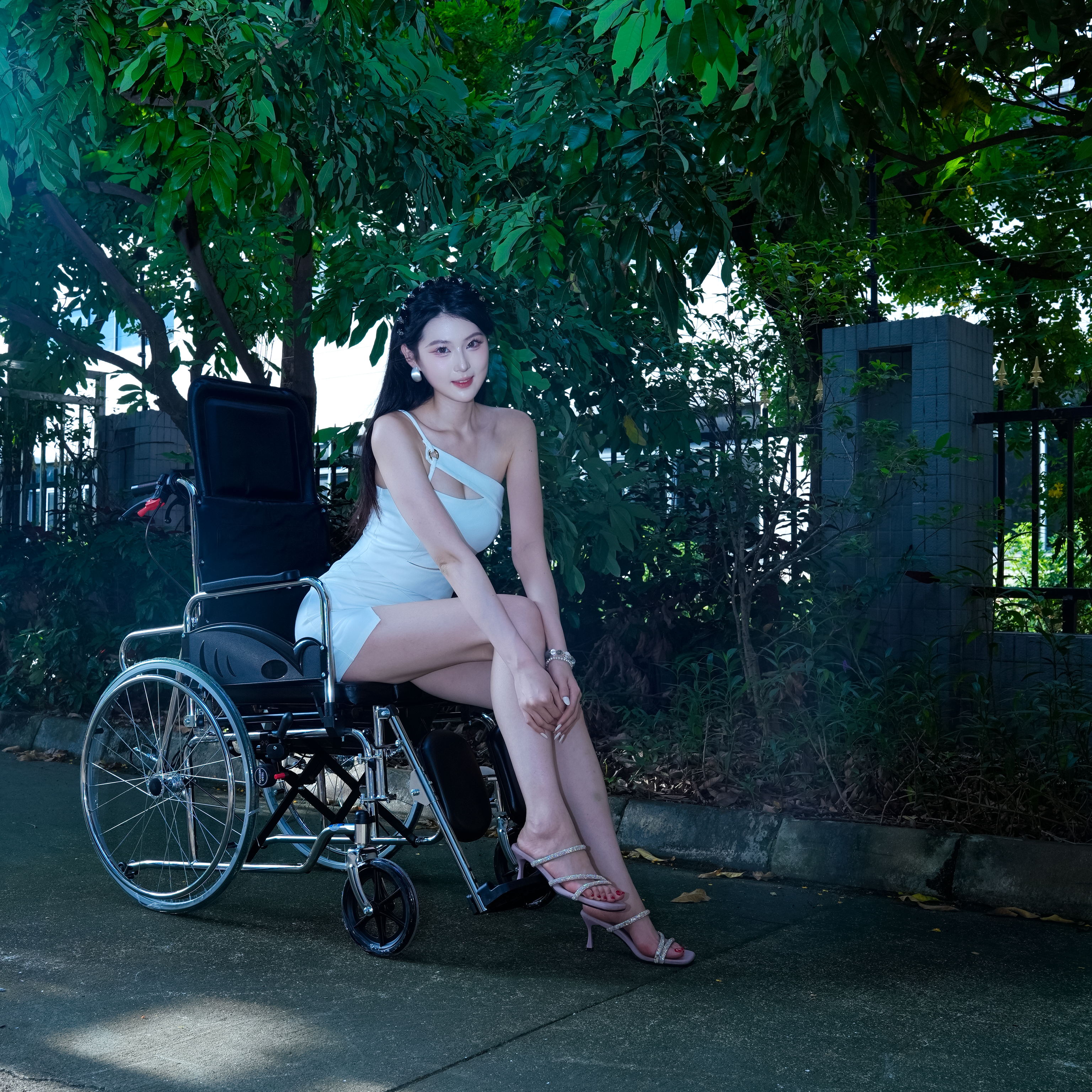
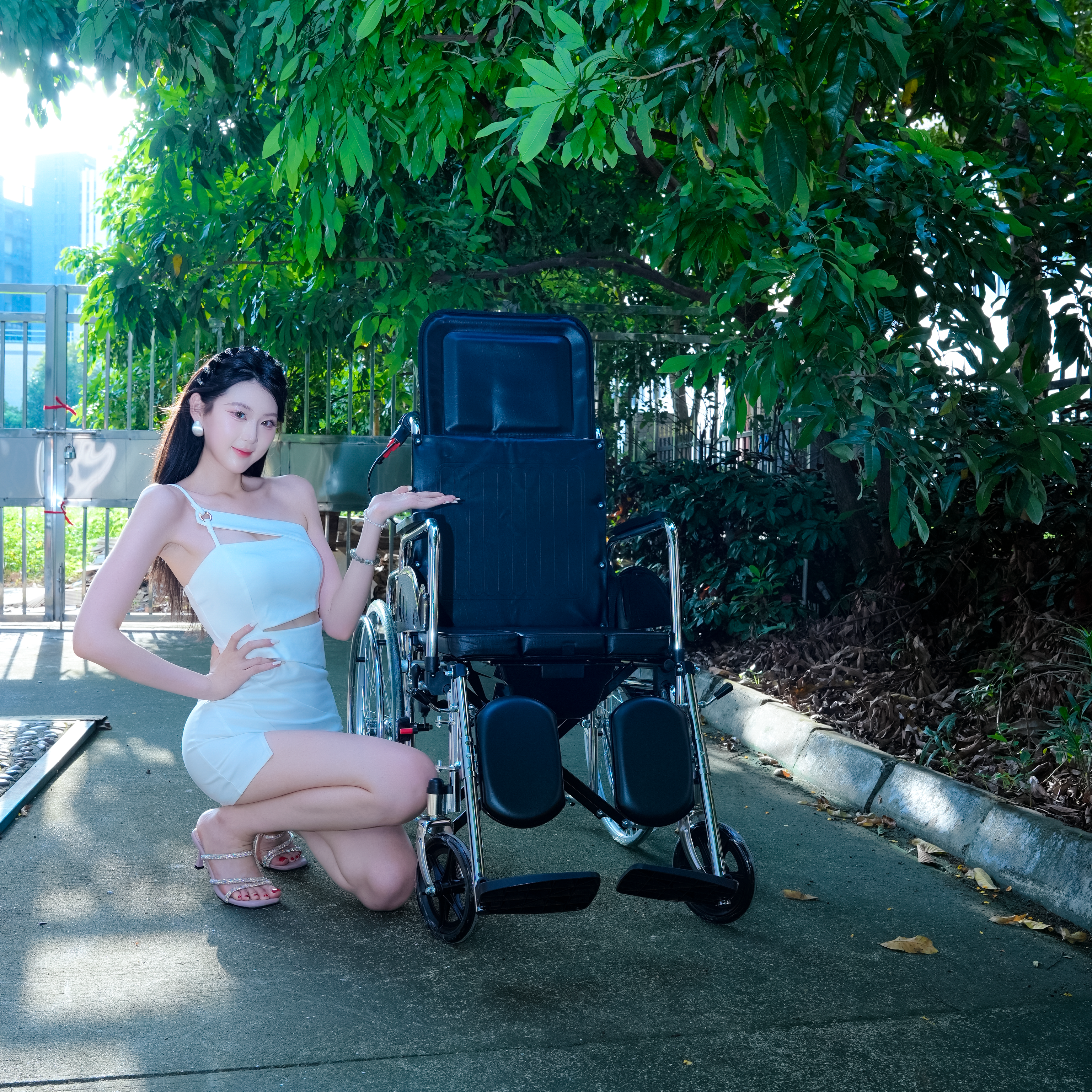
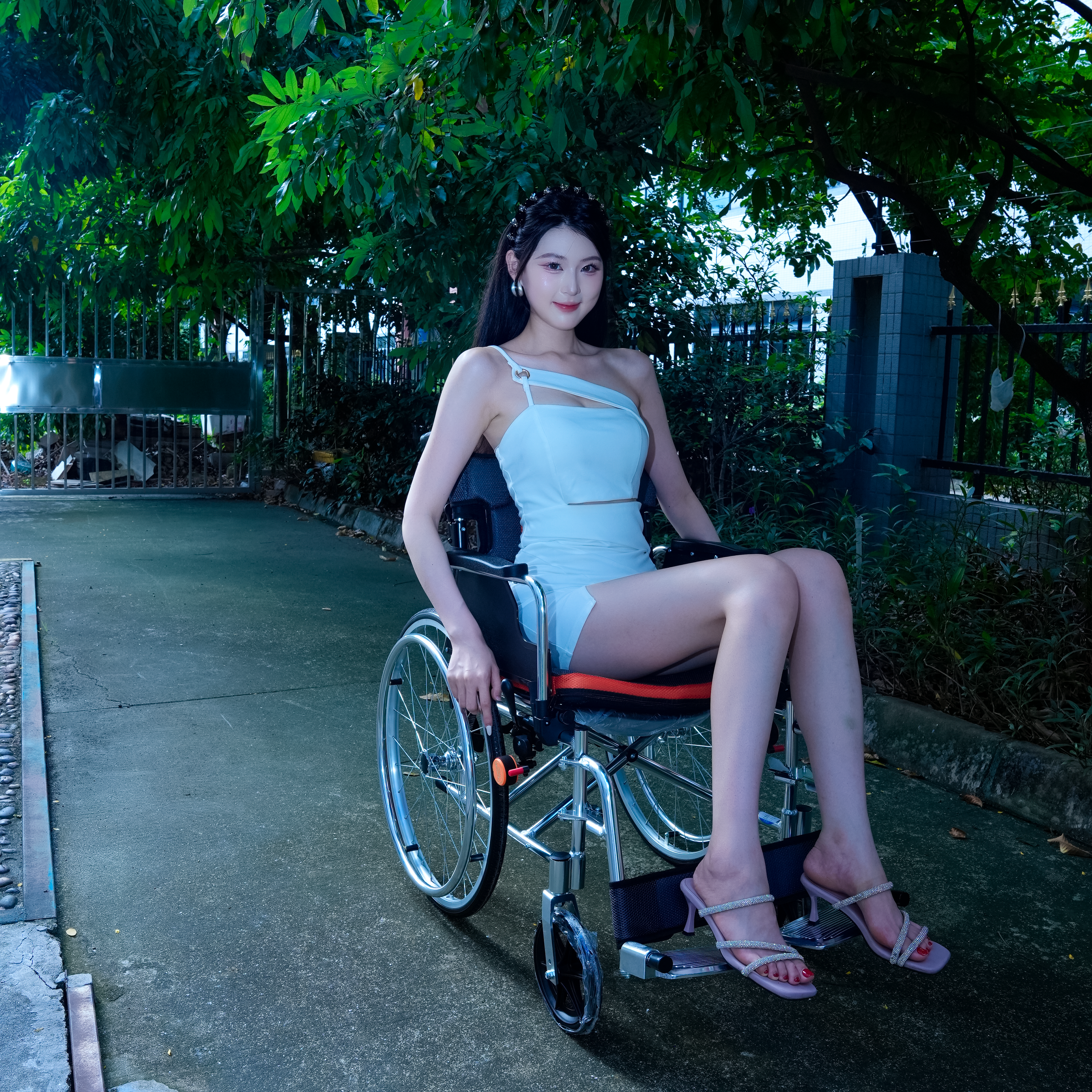
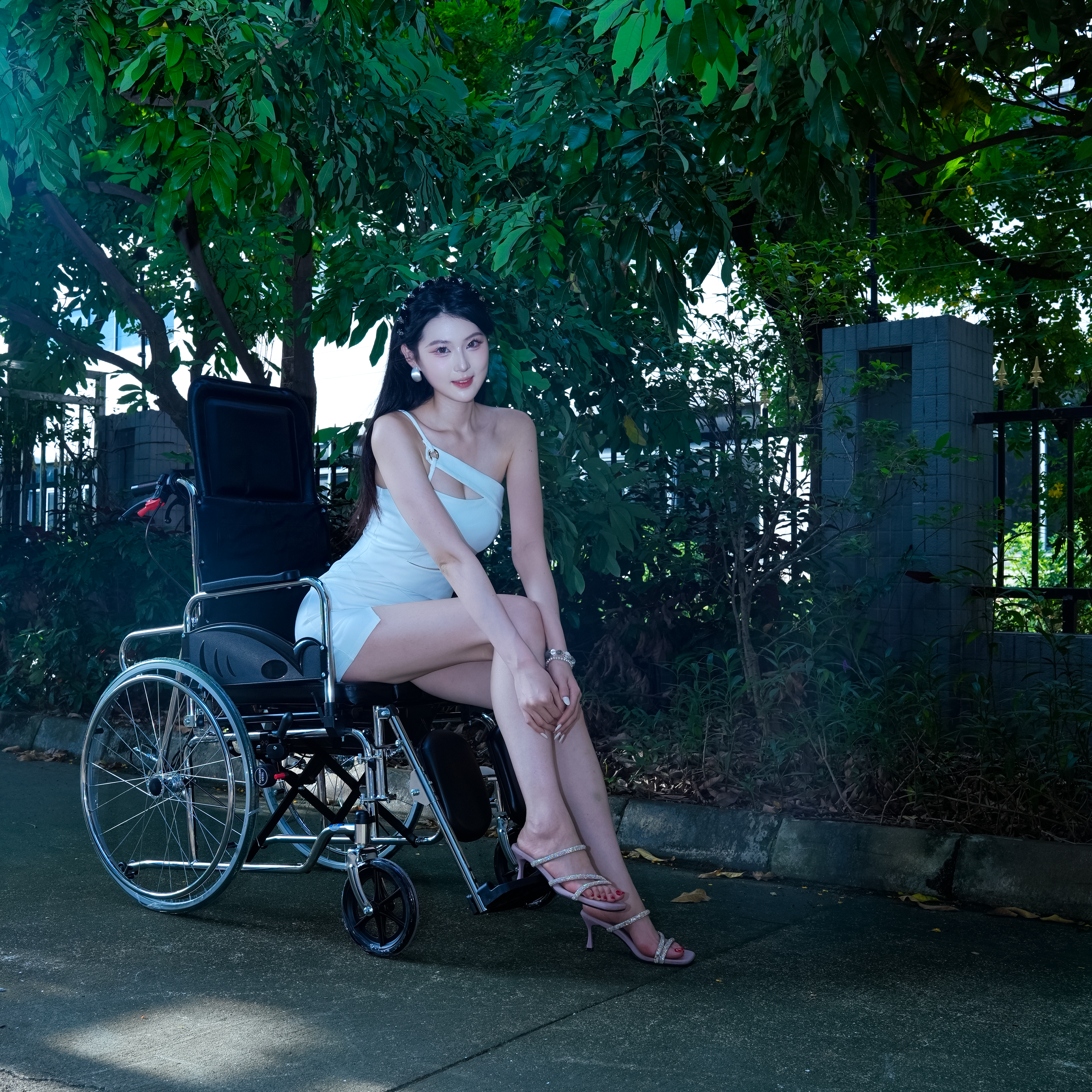
The multifunctional brake wheelchair is suitable for different usage scenarios
Scene images1.: Community uphill roads, allowing for stop-and-go without rolling backward


scene images2: On slippery uphill roads in rain and snow, it can stop and go at will without rolling back.

scene images3: Subways and airports have uphill roads, allowing for stop-and-go without rolling backward

Scene images4: Nursing homes, small hospitals, communities, and home care settings, where our brake can stabilize boarding, especially when holding or assisting elderly individuals in wheelchairs, preventing the vehicle from rolling backward.

scene images5: Large hospitals, major tourist attractions, large amusement venues, etc., where long distances need to be covered and road conditions are complex. With our brakes, boarding can be stable, and the vehicle will not roll back. The slope can stop and go at will, allowing caregivers or relatives to rest at any time without the risk of rolling back.